
Reference
Rug & Carpet Cleaning Glossary
If a quote uses a word you do not recognise, it is probably here. Knowing these makes two quotes comparable.
Glossary terms
Cleaning methods
- Hot-water extraction
- Hot water and solution are injected into the pile and extracted immediately. Often called steam cleaning. The most common deep-cleaning method for carpet, and commonly required by warranties.
- Low-moisture encapsulation
- A solution crystallises around soil so it can be vacuumed away. Dries in about 1–2 hours, which suits offices and maintenance cleaning.
- Bonnet cleaning
- A rotary pad cleans the surface of the pile. Fast and appearance-level, not a deep clean.
- Dry compound
- An absorbent compound is worked into the pile and vacuumed out. Minimal moisture and downtime, limited on heavy soil.
- In-plant washing
- The rug is taken to a cleaning plant where it can be dusted, fully washed, rinsed and dried under controlled conditions.
Rug construction
- Hand-knotted
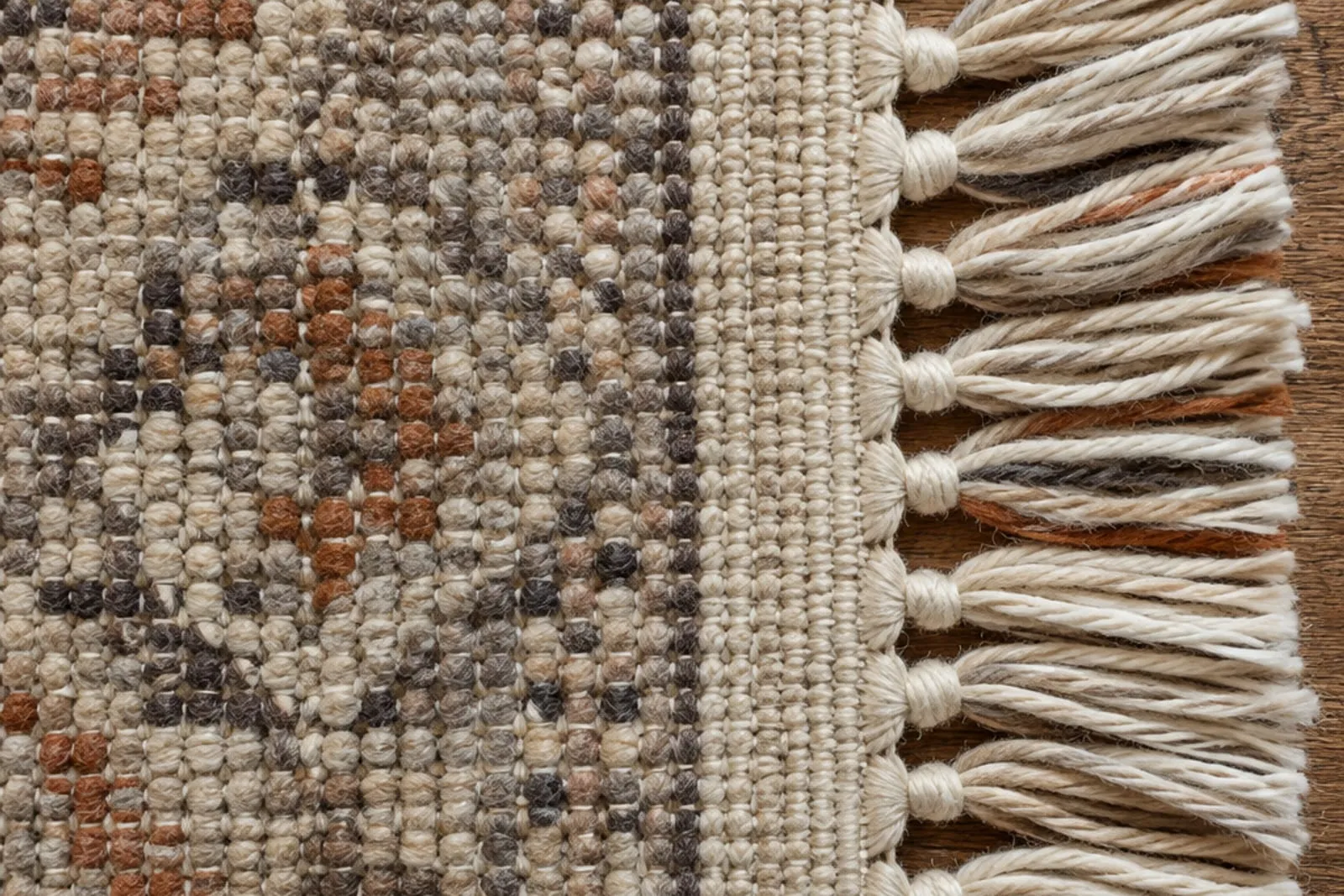
- Each knot tied by hand around the foundation. The pattern is visible from the back, and the fringe is part of the structure.
- Machine-made
- Woven by machine, usually with a uniform back and a fringe sewn on afterwards.
- Tufted
- Yarn punched into a backing and held with glue or latex. Age and moisture can break down the adhesive.
- Foundation
- The warp and weft threads that carry the rug. Grit trapped here does the damage that cleaning cannot reverse.
- Pile
- The surface you walk on, made of the knots or fibers standing up from the foundation.
- Viscose
- A plant-based fiber sold as art silk, bamboo silk or banana silk. Weakens when wet and marks easily, so it needs a low-moisture approach.
Process steps
- Dusting
- Removing dry grit from the foundation before any water. A 9×12 wool rug can release several pounds of dry soil.
- Dye testing
- Checking whether colours will bleed before washing. Unstable dyes change the method or rule out immersion.
- Pre-treatment
- Treating stains and problem areas individually before the main clean.
- Grooming
- Setting the pile direction after cleaning so the rug lies and reflects light evenly.
- Blocking
- Stretching and setting a curled or buckled rug so it lies flat again.
Repairs and add-ons
- Serging
- Wrapping yarn around the rug edge to finish and protect it. Typically $3–$10 per linear foot.
- Binding
- A fabric tape sewn along the edge, common on machine-made rugs and carpet remnants.
- Reweaving
- Rebuilding a damaged area knot by knot with matching materials. Quoted individually.
- Moth treatment
- Treatment against wool-eating larvae, typically $20–$50 per rug.
- Rug pad
- A cushion between rug and floor that reduces abrasion, stops slipping and improves vacuuming.
Pricing and logistics
- Per square foot
- The usual basis for area rugs: length × width, multiplied by a rate set by fiber and borough.
- Per room
- A carpet pricing basis, typically $50–$150, usually with a size cap of about 200–250 sq ft. Common practice, not a standard.
- Minimum job charge
- The smallest amount a company will accept for a visit, because the appointment itself is the fixed cost.
- Pickup minimum
- The order value needed for free collection, typically $150–$250.
- Certificate of insurance (COI)
- Proof of a company’s insurance, made out to your building. Many NYC buildings require one before work or collection.
- Bailee coverage
- Insurance covering customers’ property while it is in a company’s care, such as your rug at their plant.