
Service
Area Rug Cleaning Service in New York
Most people have never been told what rug cleaning in New York actually involves, which is why the same rug gets quoted at $200 by one company and $700 by another and both sound plausible. The two numbers usually describe two different things. One is a surface clean done on your living room floor. The other is a wash — the rug leaves, gets dusted, tested, immersed, flushed, wrung and dried under controlled conditions, and comes back in two to three weeks.
- The seven-stage plant process
- On-site versus in-plant cleaning
- How often rugs need cleaning
- Turnaround, door to door
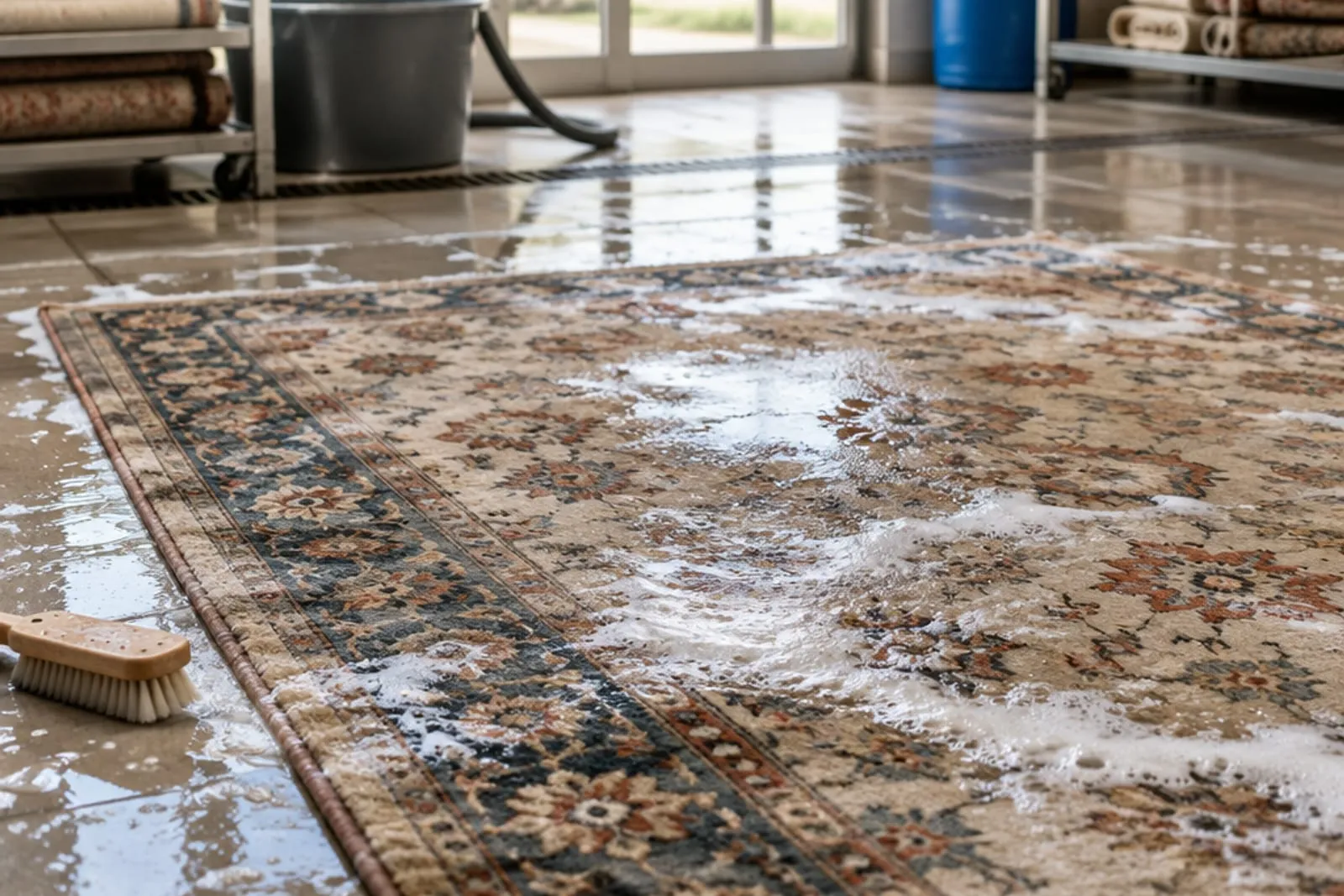
This page is what happens in between. Seven steps, in order, with the one that matters most explained properly — plus how often rugs genuinely need washing, what drives the price, and how long you will be looking at a bare floor.
Wall-to-wall carpet is a different service with different methods — that is here.
What Rug Cleaning Costs in New York
Per square foot, for in-plant washing. Manhattan runs higher than the outer boroughs, consistently and for structural reasons — access, parking, tolls and building administration.
| Rug type | Manhattan | Brooklyn · Queens · Bronx · Staten Island |
|---|---|---|
| Synthetic (polypropylene, nylon) | $4–6 | $3–6 |
| Wool | $5–8 | $4–7 |
| Persian / Oriental hand-knotted | $6–9 | $5–8 |
| Silk or silk-blend | $7–12 | $6–10 |
Bronx rates sit at the lower end of the outer-borough column.
- A 9×12 rug is 108 square feet
So a wool 9×12 is roughly $432–756 outside Manhattan and $540–864 in it.
- Minimum service charge
$150–250 per pickup, almost everywhere. On anything smaller than about a 5×8, that minimum is your price — which is why sending several rugs together is the single easiest saving available.
Common add-ons:
| Service | Typical price |
|---|---|
| Moth treatment | $20–50 per rug |
| Binding or serging repair | $3–10 per linear foot |
| Storage | $20–60 per rug per month |
| Pet urine treatment | Quoted case by case |
| Reweaving and restoration | Quoted individually, by the hour or square inch |
What drives the price
Six things, and asking about them makes two quotes comparable
- Size, obviously — it is a per-square-foot business.
- Fibre. Silk and viscose need more care and more skill than wool, and wool needs more than polypropylene.
- Construction
A hand-knotted rug can be fully immersed and re-immersed for a century. A hand-tufted rug with a glued backing often cannot be washed at all. Which is which
- Soil level and pet urine
Urine is the big one — it penetrates to the foundation and needs specific treatment, not a general wash.
- Repairs — fringe, binding, holes — quoted separately.
- Pickup and delivery, and how far you are from the plant.
What Actually Happens to Your Rug
Seven steps at a proper plant. Ask any company to walk you through their version; the ones doing it right enjoy the question.
1. Inspection and testing
Before anything else, the rug is examined and tested
- Fibre and construction identified — wool, silk, viscose, synthetic; hand-knotted, hand-tufted, flatweave, machine-made. This decides everything that follows.
- Pre-existing damage recorded — worn areas, moth grazing, previous repairs, weak foundation. A good plant photographs this and tells you before they start.
- Dye colourfastness tested. A damp swab is pressed to each colour to see whether the dye lifts. Hand-dyed wool from some origins is not stable in water, and finding that out afterwards is a ruined rug. How dye testing works, and which rugs need it most
If a rug fails testing, a competent cleaner tells you and proposes something else — or declines. A cleaner who declines a job is often the one to trust.
2. Dusting — the step that matters most
This is the step that separates rug washing from carpet cleaning applied to a rug, and almost nobody outside the trade knows it exists.
- A rug is dusted before any water touches it
The rug is laid face-down or hung and subjected to vibration, compressed air, or a purpose-built dusting machine that shakes the foundation until the dry soil falls out of the back.
- The quantity is the part people find hard to believe
A 9×12 wool rug that looks perfectly clean can release several pounds of dry grit — sand, mineral particulate, fibre, dust — all of it sitting at the base of the pile where a vacuum has never reached it.
Two reasons this is the most important step
- That grit is what destroys rugs
Hard angular particles at the base of the pile are ground against the fibre by every footstep. Removing them is not cosmetic; it is the single thing that extends a rug's life.
- Water turns dust into mud
Wet a rug that has not been dusted and the soil becomes a slurry that is far harder to flush out, and some of it stays. A rug washed without dusting comes back looking better and is still carrying most of its problem.
- Ask every company one question
"do you dust the rug before washing?" It is the single most informative thing you can ask, and the answer sorts the field fast.
3. Pre-treatment
Spots, stains and problem areas are treated individually before the general wash — protein stains, tannin stains, oily soil and pet urine all need different chemistry, and a general wash will not touch some of them. The main stain types and how they differ
Pet urine is treated as its own operation. It penetrates to the foundation and crystallises there, and surface treatment moves it rather than removing it — which is why the smell comes back.
4. The wash
The rug is fully immersed — in a wash pit, or flooded and worked on a wash floor — with pH-appropriate, wool-safe chemistry, and cleaned by hand with soft brushes along the pile.
This is what "washing" means and it is not available in your living room. It is also what a hand-knotted rug was built to withstand: a well-made wool rug can be immersed, flushed and dried repeatedly for a hundred years.
5. Rinsing
The rug is flushed with clean water until the water runs clear.
This step is where residue is removed, and residue is what makes a rug re-soil fast. Detergent left in the fibre stays slightly tacky, dry soil sticks to it, and the rug is visibly dirty again far sooner than it should be. A short rinse is the most common corner cut, and its effects show up three months later, by which time nobody connects the two.
6. Water removal and controlled drying
Most of the water is removed mechanically — usually a centrifuge, which spins the rolled rug and extracts water far faster and more completely than any suction.
Then the rug is dried flat or hung, in a controlled environment with managed airflow and temperature, and monitored.
Drying speed is a quality issue, not a convenience. A rug that dries slowly is a rug at risk of dye migration — colours moving into each other — of cellulosic browning from a cotton or jute foundation, and of mildew. Controlled drying is a large part of what a plant is actually for, and it is the second thing that cannot be done on your floor.
7. Grooming and finishing
Pile groomed in the correct direction, fringe cleaned and detailed separately, final inspection against the intake photographs, and the rug wrapped for return.
Fringe is worth a note: it is cotton, it greys and yellows differently from the wool beside it, and it is cleaned as a separate operation. A rug returned with clean pile and grey fringe has been half finished.
Why Cleaning a Rug on Your Floor Is Not a Wash
On-site rug cleaning means hot-water extraction performed on the rug where it lies. It is a legitimate service and it is not a wash, and the difference is structural rather than a matter of effort.
Three of the seven steps above are impossible in a living room
- No dusting
You cannot shake several pounds of grit out of a rug that is lying on somebody's floor.
- No flushing
Extraction removes what it can pull up through the surface. It cannot rinse a rug through, so residue stays.
- No controlled drying
The rug dries where it lies, slowly, on top of a pad and a floor that are now also wet — which is how you get dye migration, browning, and a mark on the floor underneath.
And a fourth problem: water goes down and does not fully come back up, into the pad and the floorboards beneath.
When on-site is a reasonable choice
Being fair about it, because "always send it out" is not true:
On-site is fine for a sturdy machine-made synthetic of no great value, a rug too large to move economically, a quick refresh before an event, or a situation where the rug genuinely cannot leave.
Send it out for anything wool you intend to keep, anything hand-knotted, silk, antique or inherited, anything with pet urine, and anything that smells.
If a company offers to wash your wool hand-knotted rug on your living room floor, that is not a wash, and the right response is to ask what they mean rather than to accept the quote.
Booking on-site carpet and in-plant rug work in the same visit is often the efficient move — covered here.
How Often Area Rugs Need Washing
Every three to five years for an ordinary household rug in normal use. Every one to two years with pets, young children or heavy traffic. Every five or more for a rug in a low-traffic room, or in a household where shoes come off at the door.
But the interval matters less than the principle, which is the same one that governs carpet:
Soil is not what ruins a rug. Soil is the abrasive that ruins it.
By the time a rug looks dirty, the grit at the base of the pile has been grinding against the fibre for years. Washing on a schedule rather than on appearance is the difference between a rug that lasts decades and one that wears out — and for a hand-knotted rug, the difference is measured in generations.
Two things genuinely extend the interval: taking shoes off at the door, which removes most of the abrasive load before it arrives (why that works), and vacuuming the back of the rug as well as the front, which drives grit downward and out (how).
How Long You Will Be Without It
Typically 5 to 14 days, door to door, and the wash itself is the smallest part of it.
The time is made up of three things: the wait for a pickup run in your direction, the work itself — dusting, washing, rinsing and especially drying, which is measured in days rather than hours — and then the wait for a delivery run.
The return is a second appointment and it is the one people forget, because it is two or three weeks after the conversation in which it was arranged. Ask for the return date when you book and put it in your calendar the same day.
Rush service exists and costs more, and how much more depends on where you are — at the far end of a route it means a dedicated trip.
What to Ask Before You Hand a Rug Over
Six questions. They take four minutes and they sort the field.
- "Do you dust the rug before washing?" The single most informative question.
- "Do you wash in-plant, and where is the plant?"
- "Do you test the dyes first?"
- "Are you insured for my rug while it is in your possession?" The term is bailee coverage. You want a straightforward yes.
- "What is the realistic turnaround, and what is the return date?"
- "Will you tell me before you start if you find damage or think something won't come out?"
And one thing to do yourself: photograph the rug, both sides, in good light, before it leaves. It takes a minute and it is standard practice with anything valuable leaving your possession.
Compare the same job, not three different scopes
Describe the rug or rooms, access and treatments once, then compare written, all-in quotes.
Find Companies for This Service
Compare companies serving your borough, then request written quotes.
Related Services
Often booked in the same visit, or worth reading before you decide.
Oriental Rug Cleaning
Specialized care for hand-knotted Oriental rugs.Learn more
Persian Rug Cleaning
Careful cleaning for Persian rugs of all ages and materials.Learn more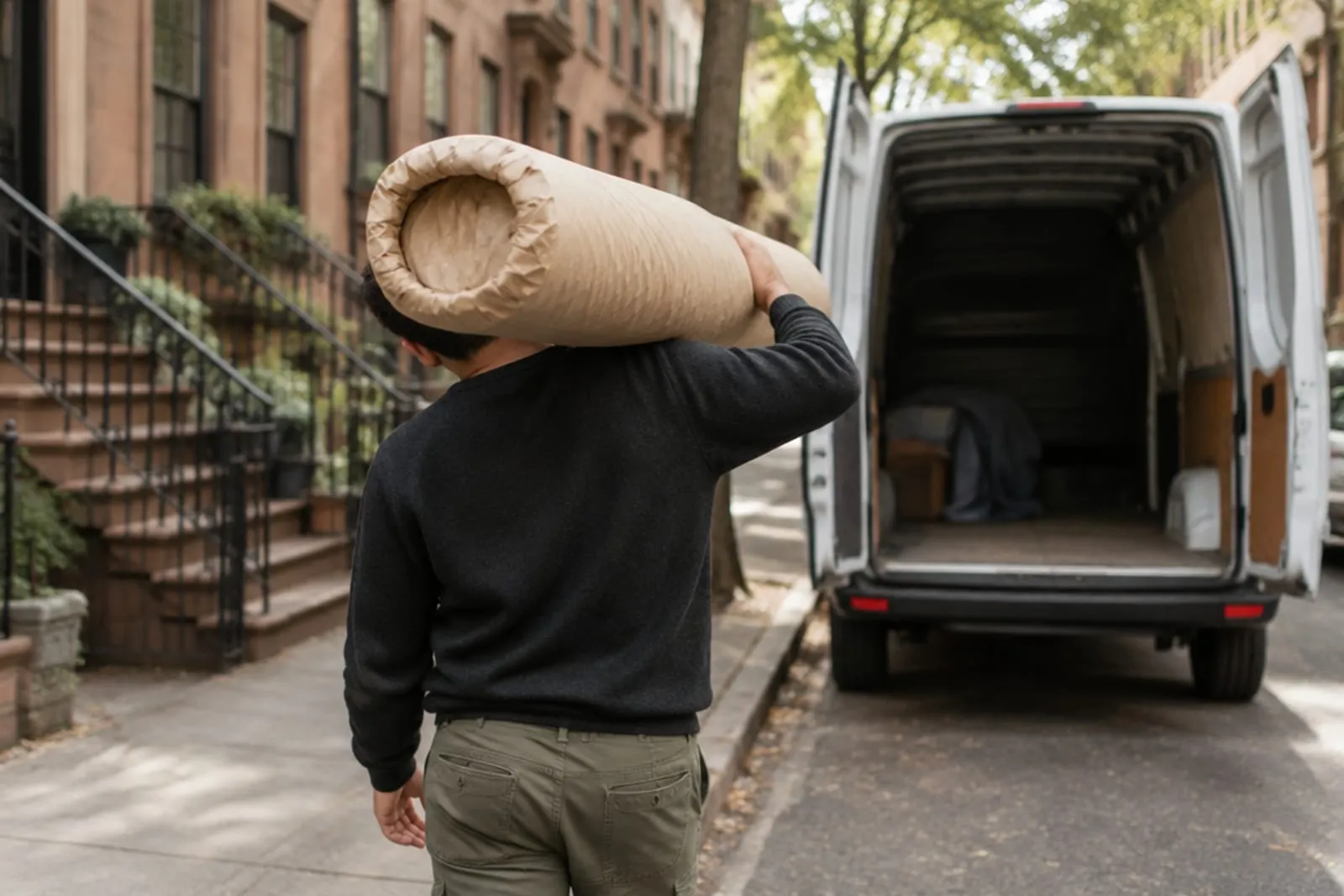
Rug Pickup & Delivery
How rug pickup and delivery works across NYC.Learn more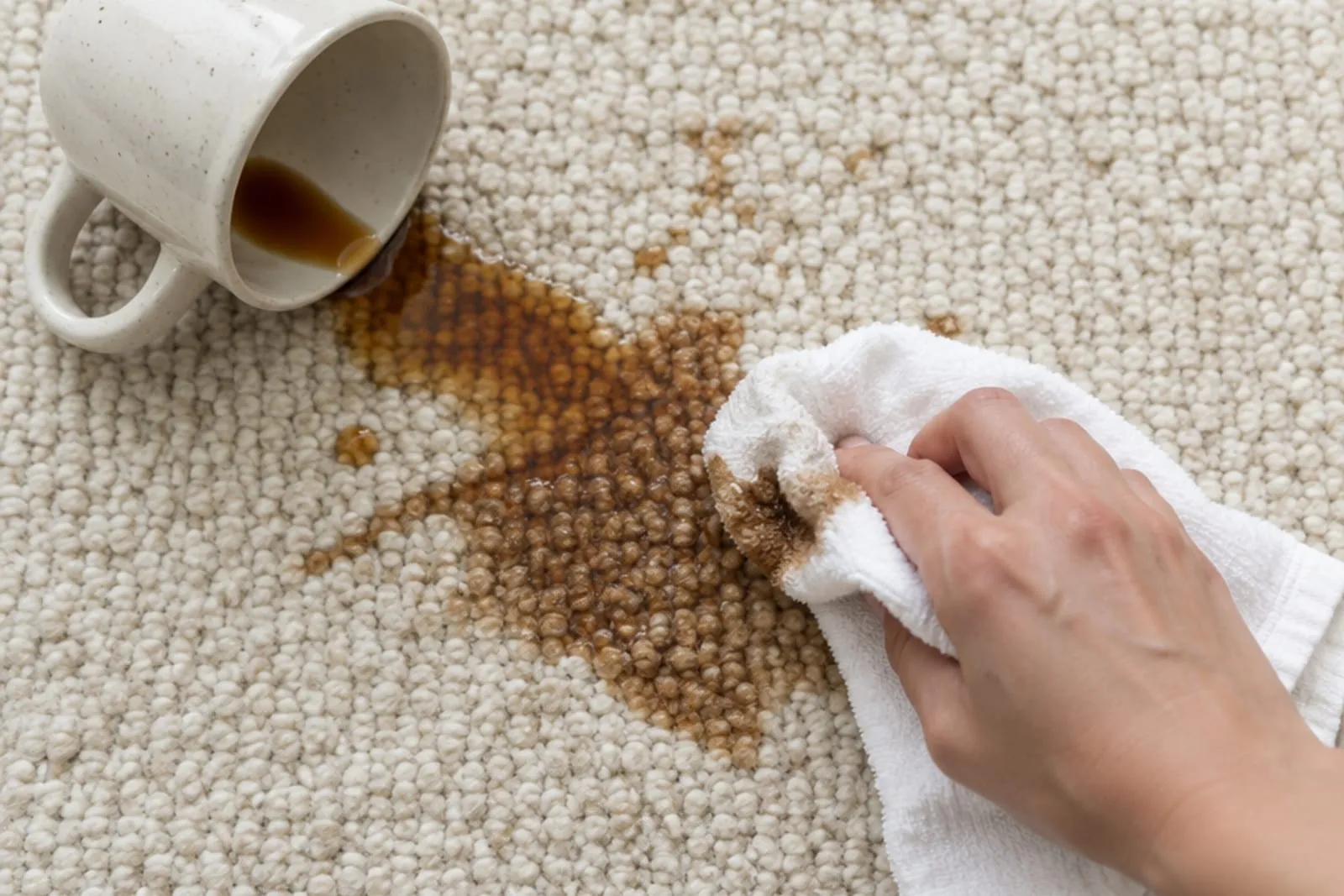
Rug Stain Removal
Professional treatment for stubborn rug stains.Learn more
Area Rug Cleaning — FAQs
What happens when a rug is professionally cleaned?
Seven steps at a proper plant: inspection and dye testing, dusting to remove dry grit before any water, pre-treatment of stains and pet urine, full immersion washing with pH-appropriate chemistry, rinsing until the water runs clear, mechanical water removal and controlled drying, then grooming and fringe finishing. The rug is away for one to three weeks, most of which is scheduling and drying.
What is rug dusting, and why does it matter?
Dusting removes dry soil from the base of the pile before any water is used, using vibration, compressed air or a purpose-built machine. A 9×12 wool rug that looks clean can release several pounds of grit. It matters for two reasons: that grit is the abrasive that actually destroys rugs, and adding water to un-dusted soil turns it into a slurry that will not fully flush out. "Do you dust before washing?" is the most informative question you can ask a rug cleaner.
Is on-site rug cleaning as good as sending the rug out?
No, and the reason is structural rather than effort. Three parts of a proper wash are impossible in a living room: dusting, flushing the rug through with clean water, and controlled drying. On-site cleaning is a reasonable choice for a sturdy synthetic of no great value or a rug too large to move. For anything wool, hand-knotted, silk, antique, or affected by pet urine, the rug should leave.
How often should area rugs be professionally cleaned?
Every three to five years for an ordinary household rug, every one to two years with pets or young children, every five or more in a low-traffic room or a shoes-off home. The principle matters more than the interval: soil is the abrasive that ruins rugs, so by the time one looks dirty the grinding has been going on for years.
How long will they keep my rug?
Typically 5 to 14 days door to door. The wash is the smallest part — most of the time is waiting for a pickup run, the drying, which takes days rather than hours, and then waiting for a delivery run. Ask for the return date when you book; it is the appointment people forget.
Can all rugs be washed?
No. Hand-knotted rugs and flatweaves can be immersed and re-immersed for decades. Hand-tufted rugs — the kind with a canvas backing glued on with latex — often cannot, because the adhesive degrades with age and washing can release the tufts. Many good cleaners decline hand-tufted rugs, which is a mark of competence.
Do they clean the fringe?
A good plant does, as a separate operation. Fringe is cotton, it greys and yellows differently from the wool beside it, and it needs its own treatment. A rug returned with clean pile and grey fringe has been half finished.
How do they dry a rug?
Most of the water is removed mechanically, usually in a centrifuge that spins the rolled rug, and the rug is then dried flat or hung in a controlled environment with managed airflow and temperature. Drying speed is a quality issue: a slow-drying rug risks dye migration, browning from a cotton or jute foundation, and mildew.
What does area rug cleaning cost in New York?
Per square foot, in-plant: $4–6 synthetic, $5–8 wool, $6–9 hand-knotted Persian and Oriental, $7–12 silk in Manhattan; roughly a dollar less across each band in the outer boroughs. A $150–250 minimum applies almost everywhere, so sending several rugs together is the easiest saving available.